It took me a year to find a suitable aircraft and arrange its donation for my Eagle Project. The airplane had not flown in more than ten years.
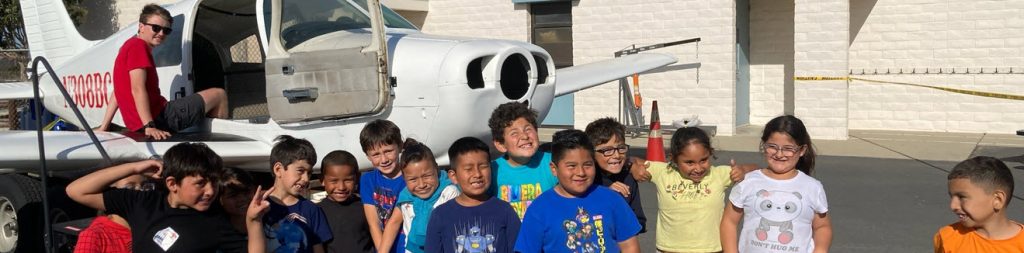
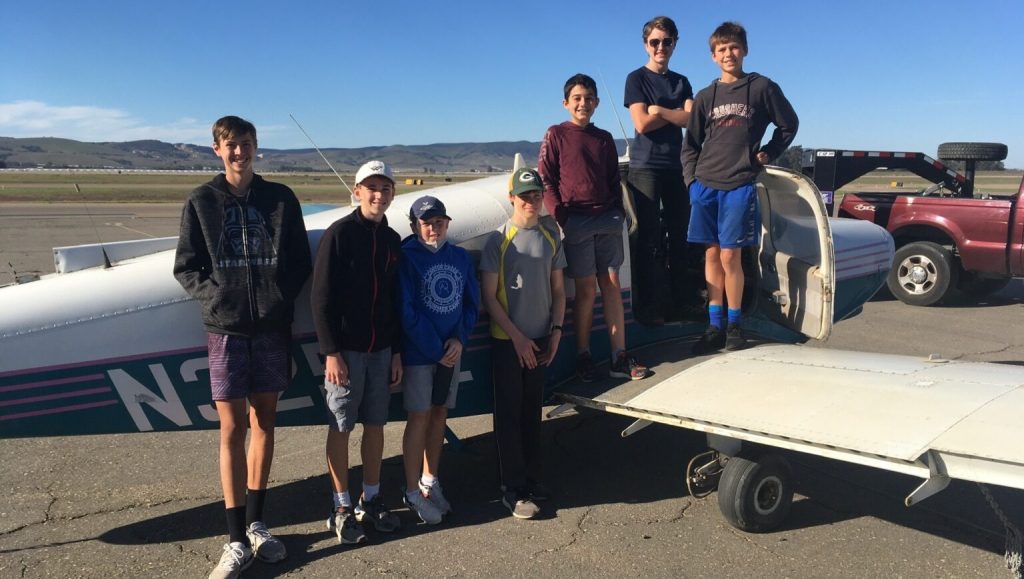
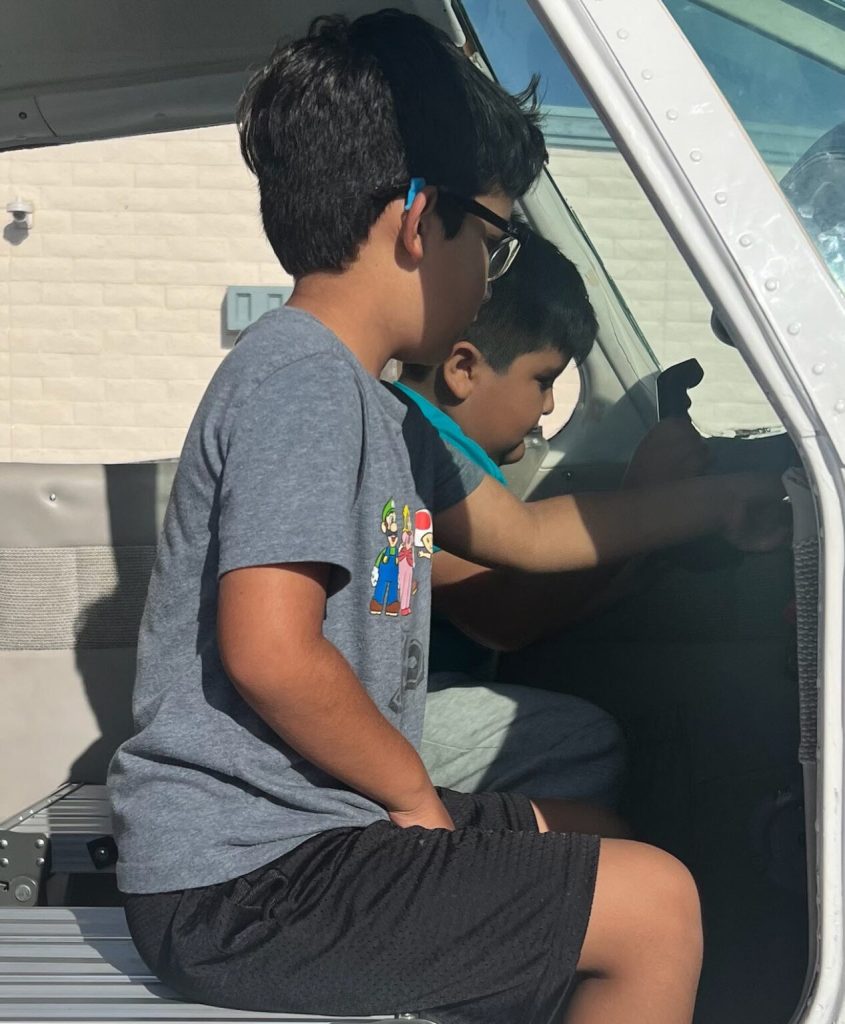
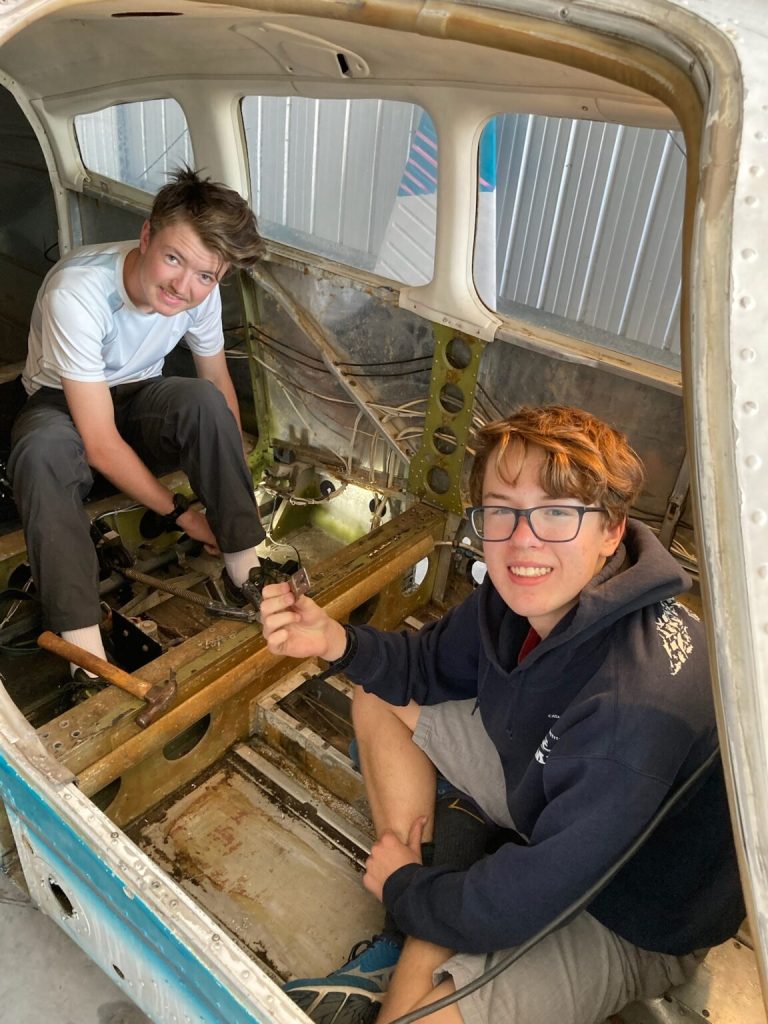
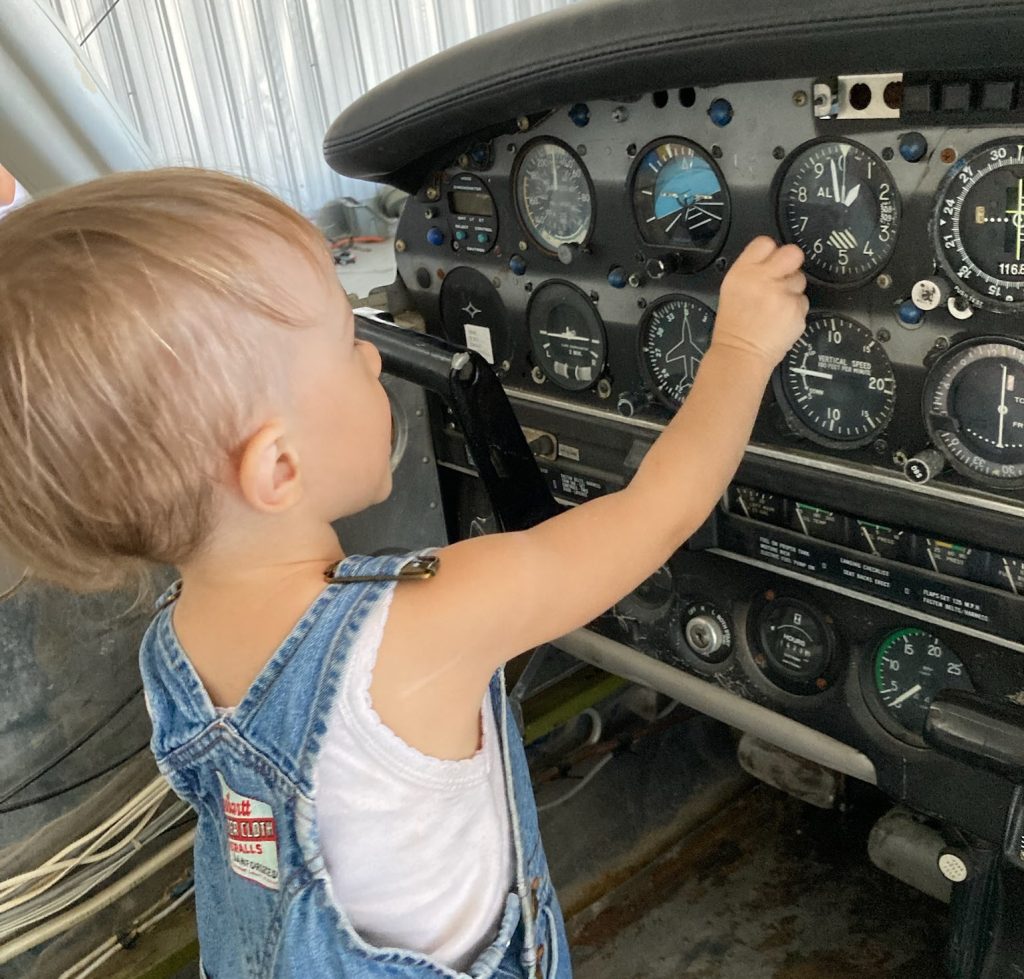
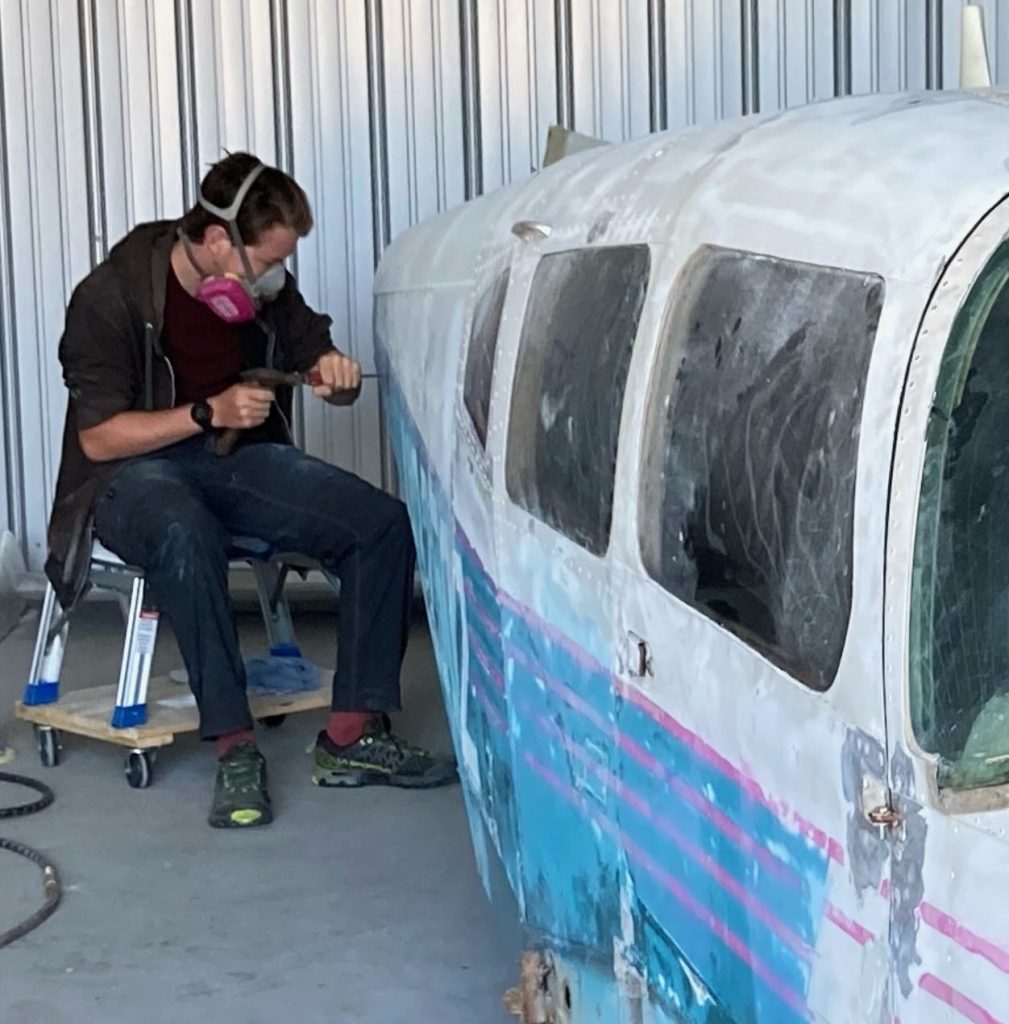
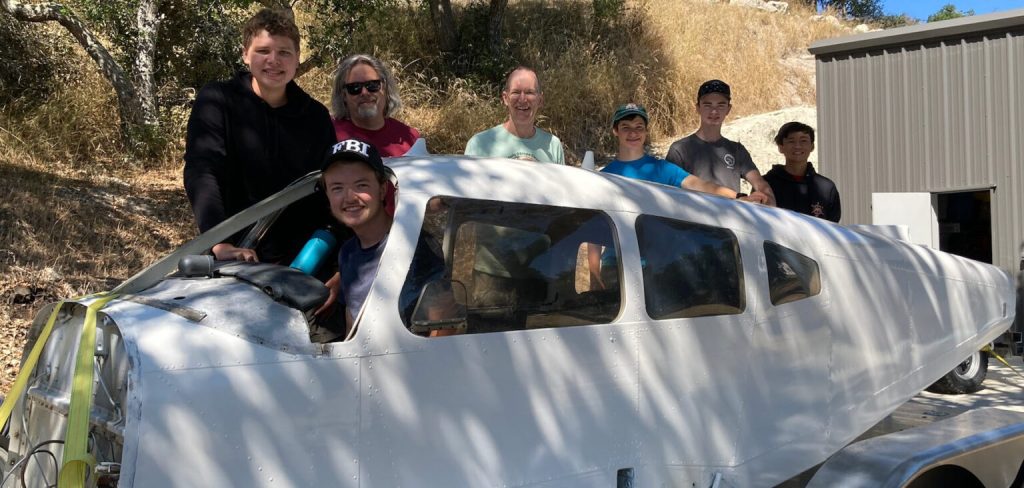
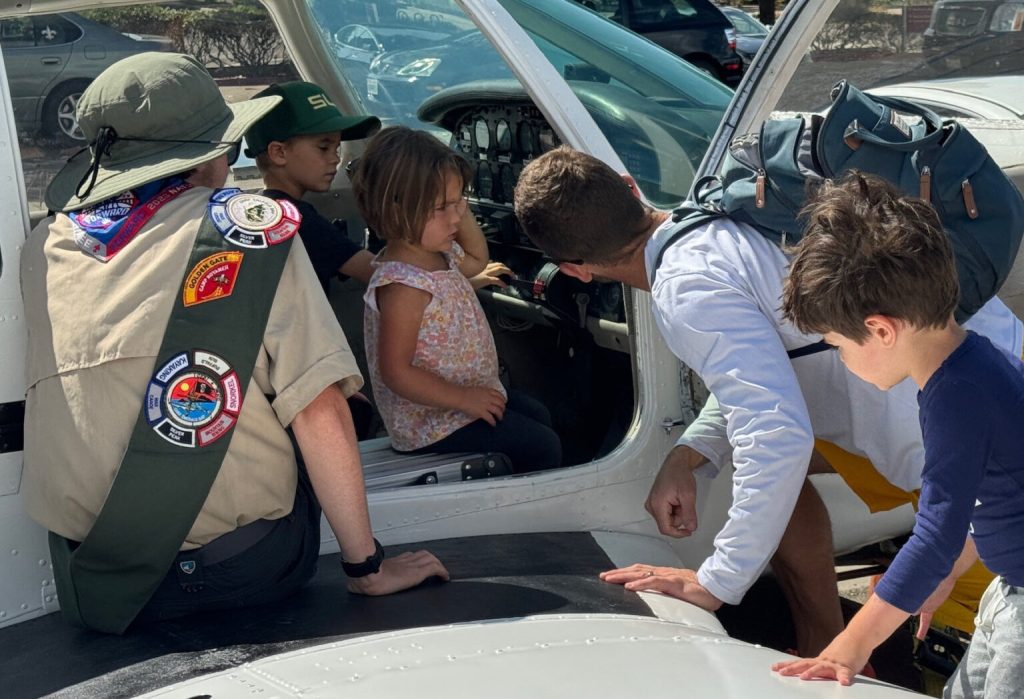
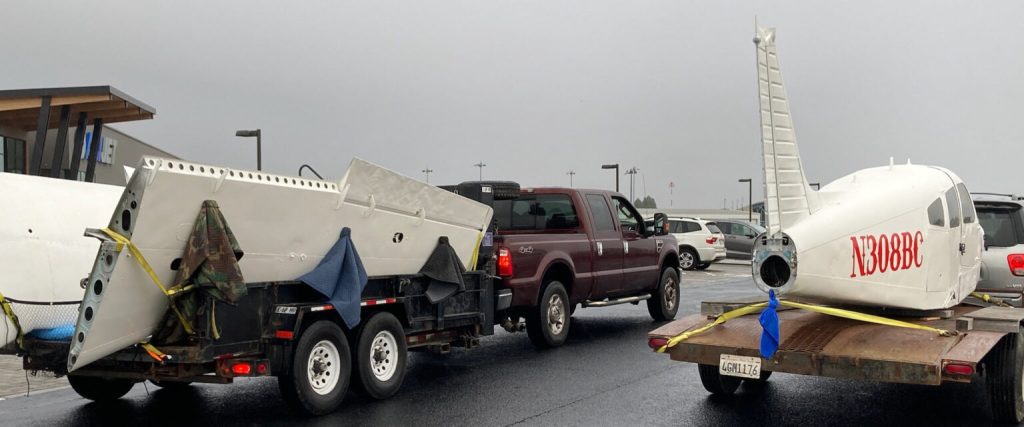
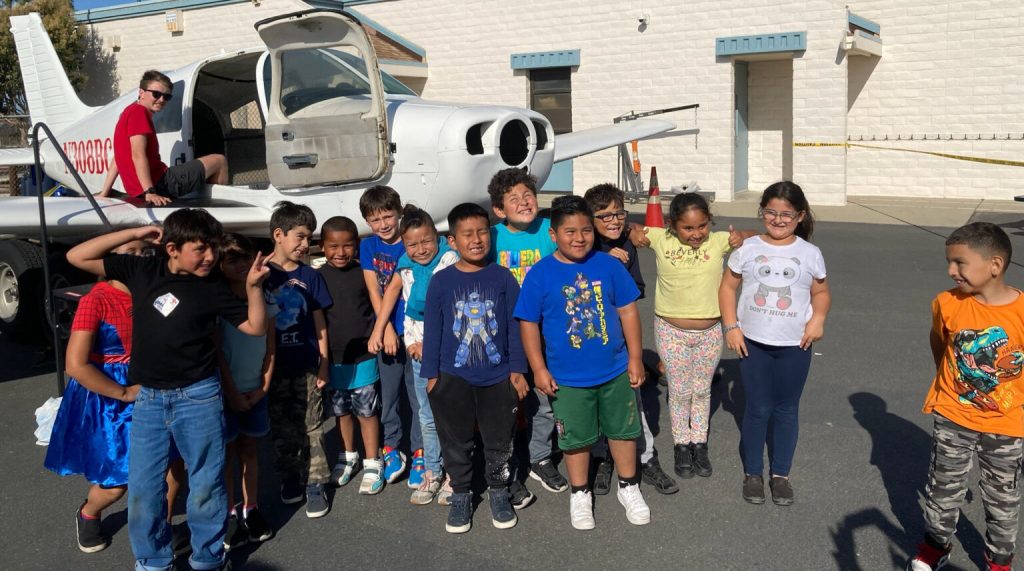
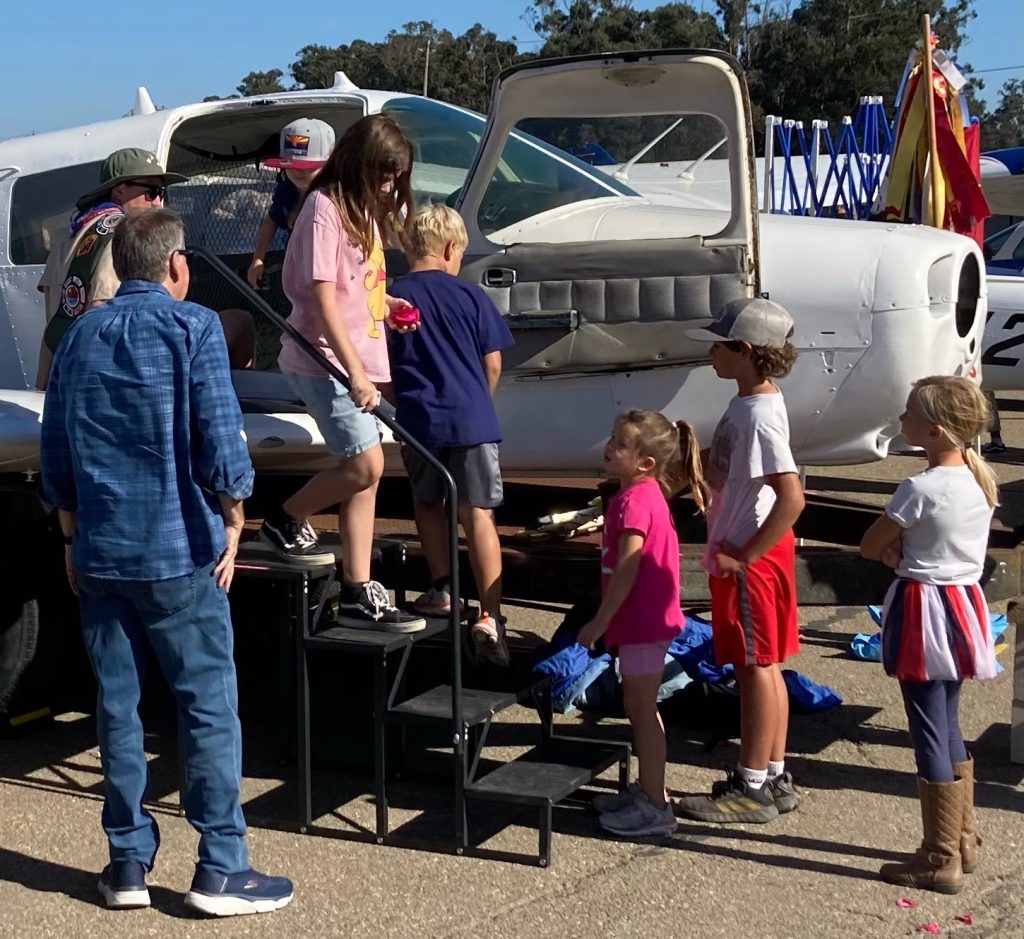
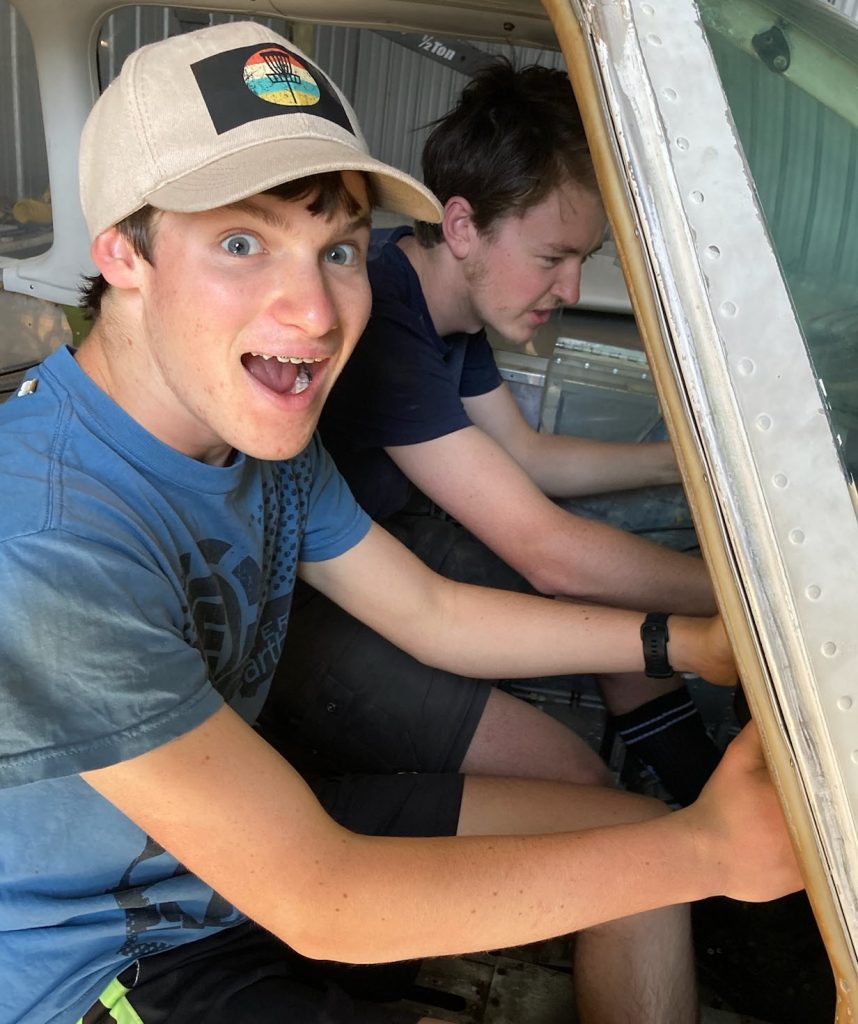
It was a ton of work, but worth it. Kids get a huge smile when they rotate the control yoke and see the ailerons move in response.The seats and carpet were water-damaged, so we removed them. Scouts from my troop helped with the work.We invited family friends to let their kids play in the cockpit, so we’d know what they find interesting, and what needed to be safer. We removed the right-hand control yoke, so the child on the right can focus on the control panel without risk of being hit by the yoke.The exterior of the airplane was in bad shape. Aluminum doesn’t rust, but it corrodes. We had to remove the corrosion by sanding the entire fuselage, both wings, and all control surfaces.I learned to mix and shoot paint in a friend’s paint booth. We used tractor paint, it is many times cheaper than aviation paint.Our first road show was at a local children’s museum. We assembled the airplane on the museum’s front patio. We had a heavy downpour just as we arrived at the museum, but thankfully the weather cleared.For transportation, we optimized wing removal and assembly. We used a hydraulic hoist to lift the wings for attachment.Our second road show was at Guadalupe Elementary School. In two days, over 150 kids got to play in the cockpit.For the third road show, the airplane returned to its prior home. We had a steady stream of children (and adults!) visit the cockpit during the two-day Santa Maria AirFest.The payoff for me has been seeing kids of all ages enjoy the airplane – it has a new life after all these years of sitting unused!
Project Statistics
28 donors, $4,450
40 volunteers, 1070 hours
51 trips to hardware stores
Over 400 children have experienced a hands-on introduction to aviation!